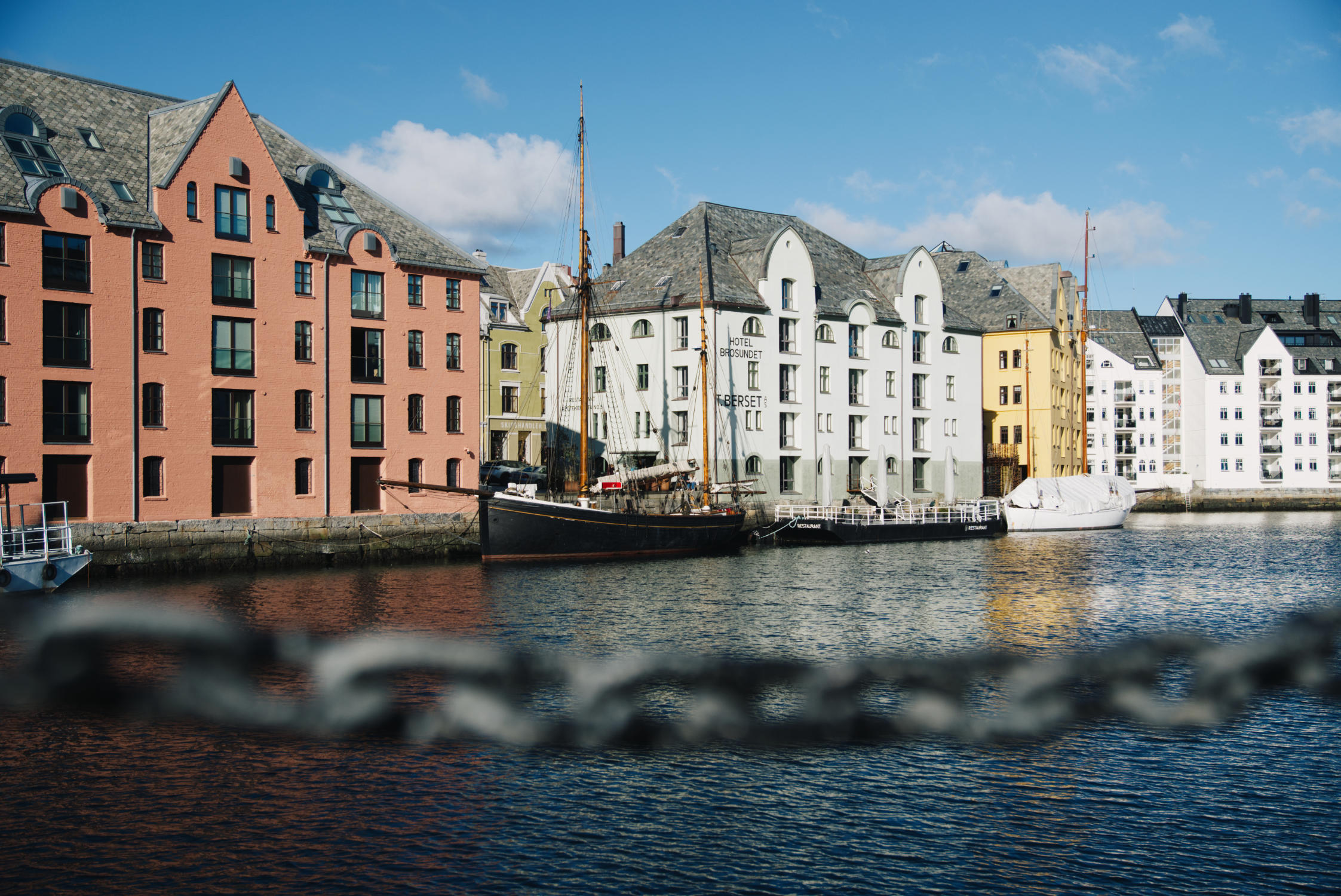
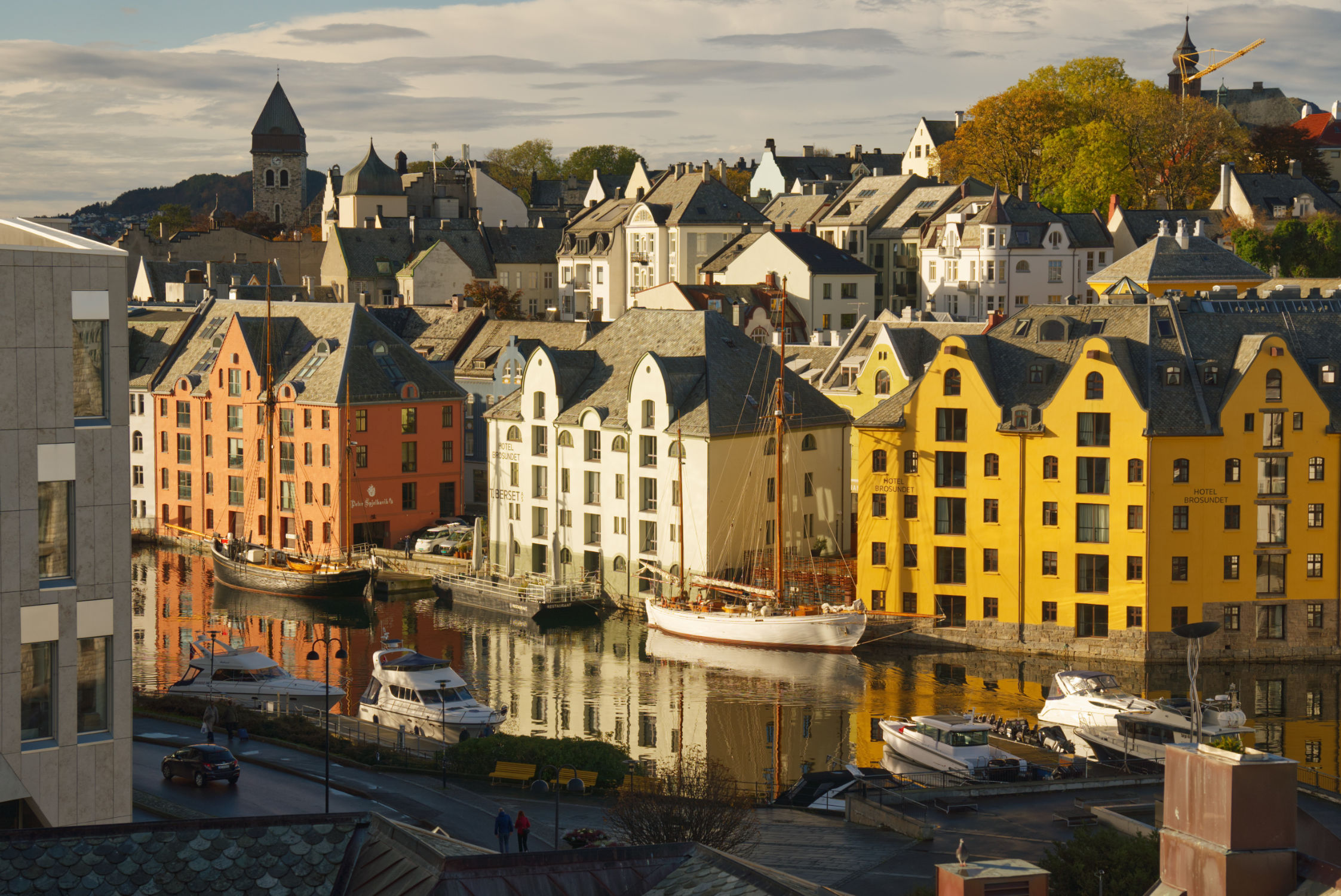
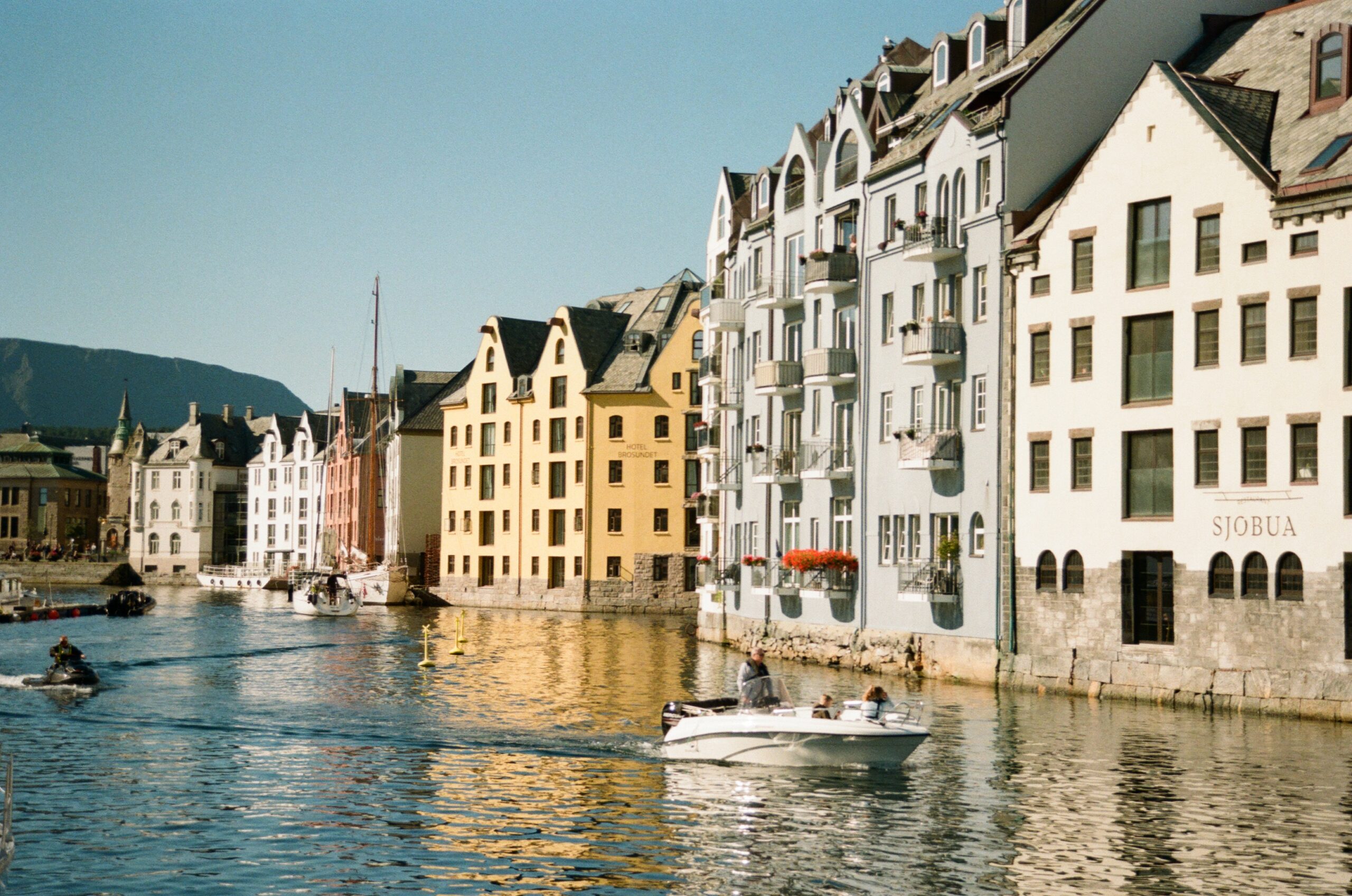
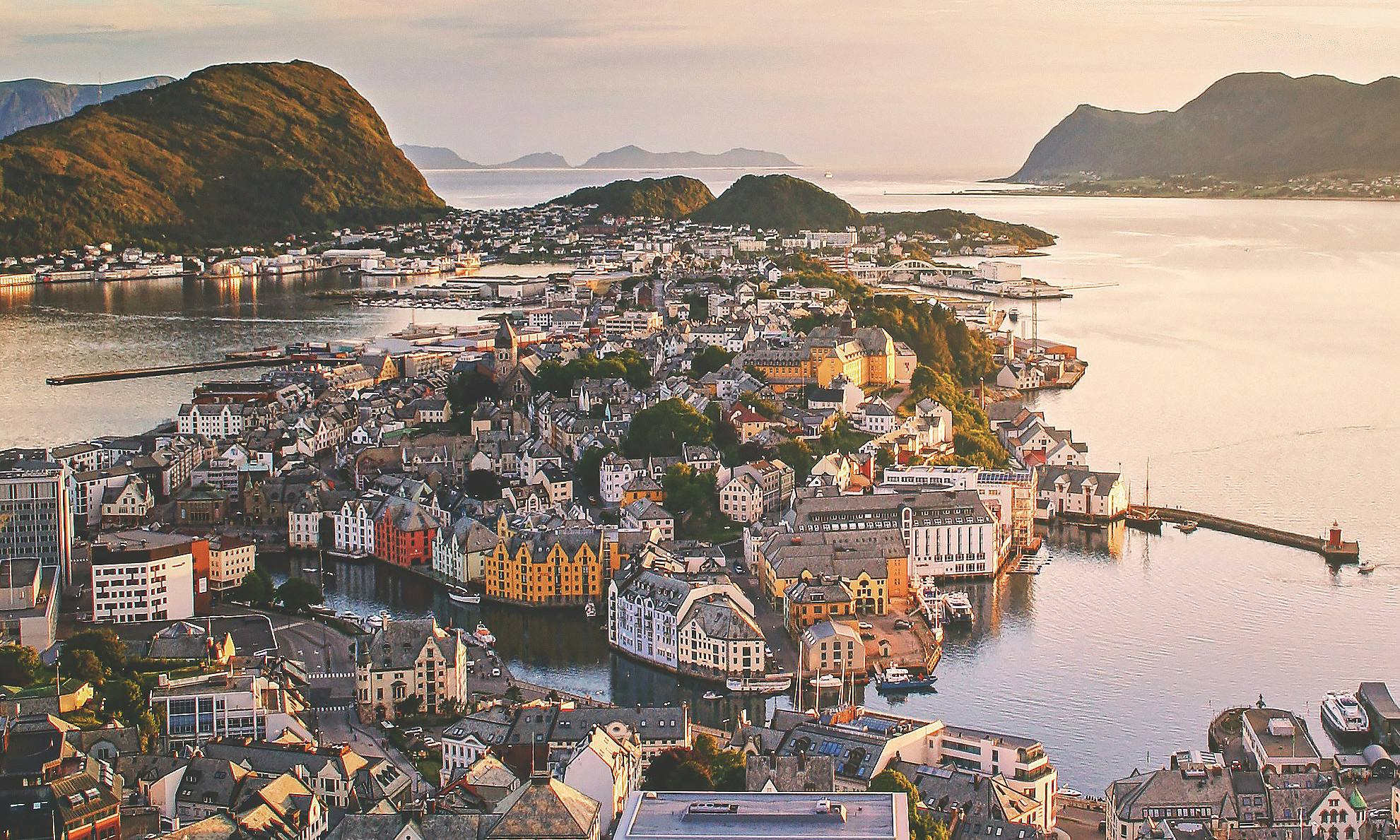
Ålesund’s Art Nouveau architecture makes the city one of Norway’s most unique destinations for both architecture enthusiasts and photographers. Here you will find detailed buildings, towers and ornamentation that tell the story of the reconstruction after the city fire in 1904. In this guide, you will find tips on where and how to best capture the city’s distinctive character with your camera.
Ålesund’s Art Nouveau in motifs – details, light and composition
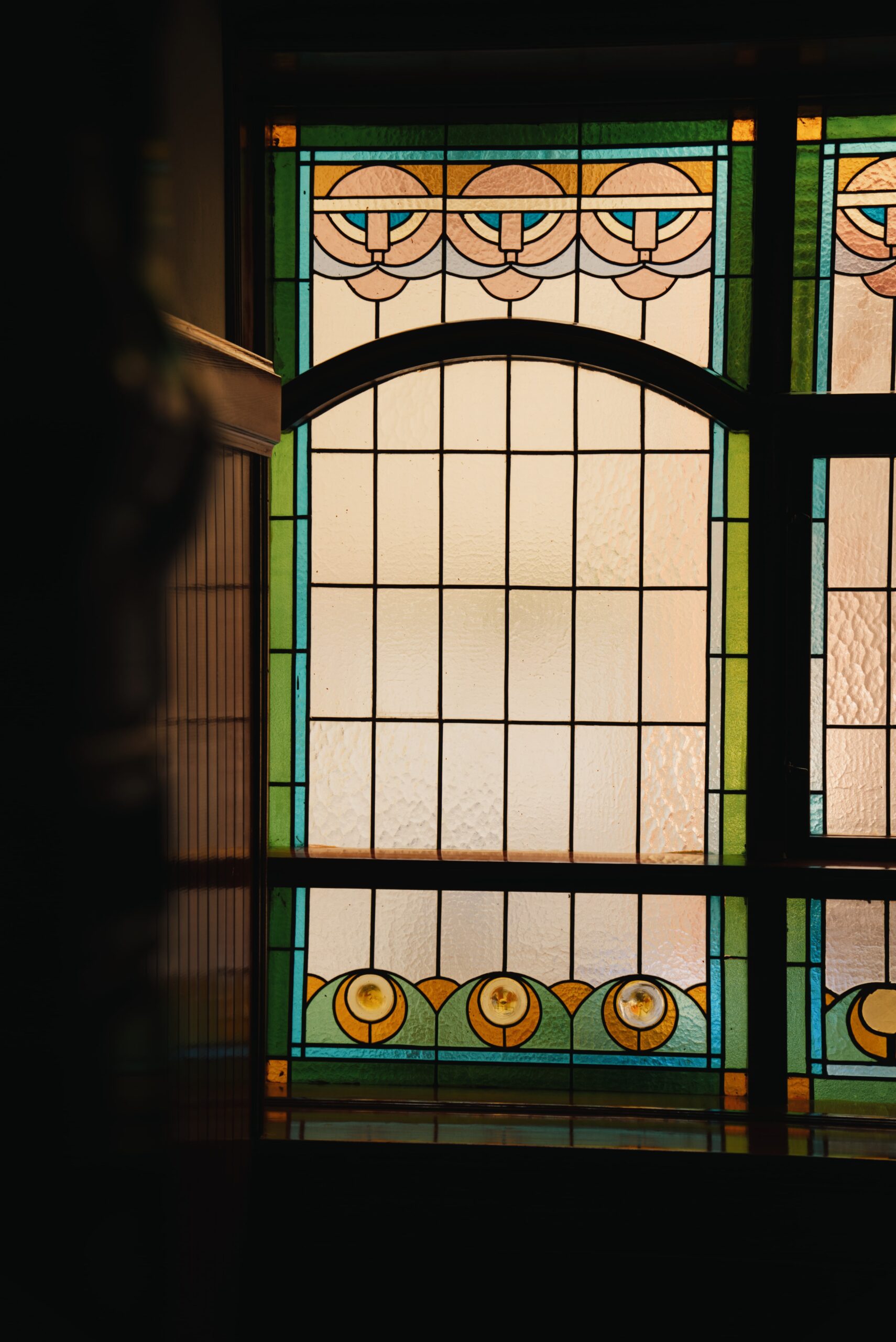
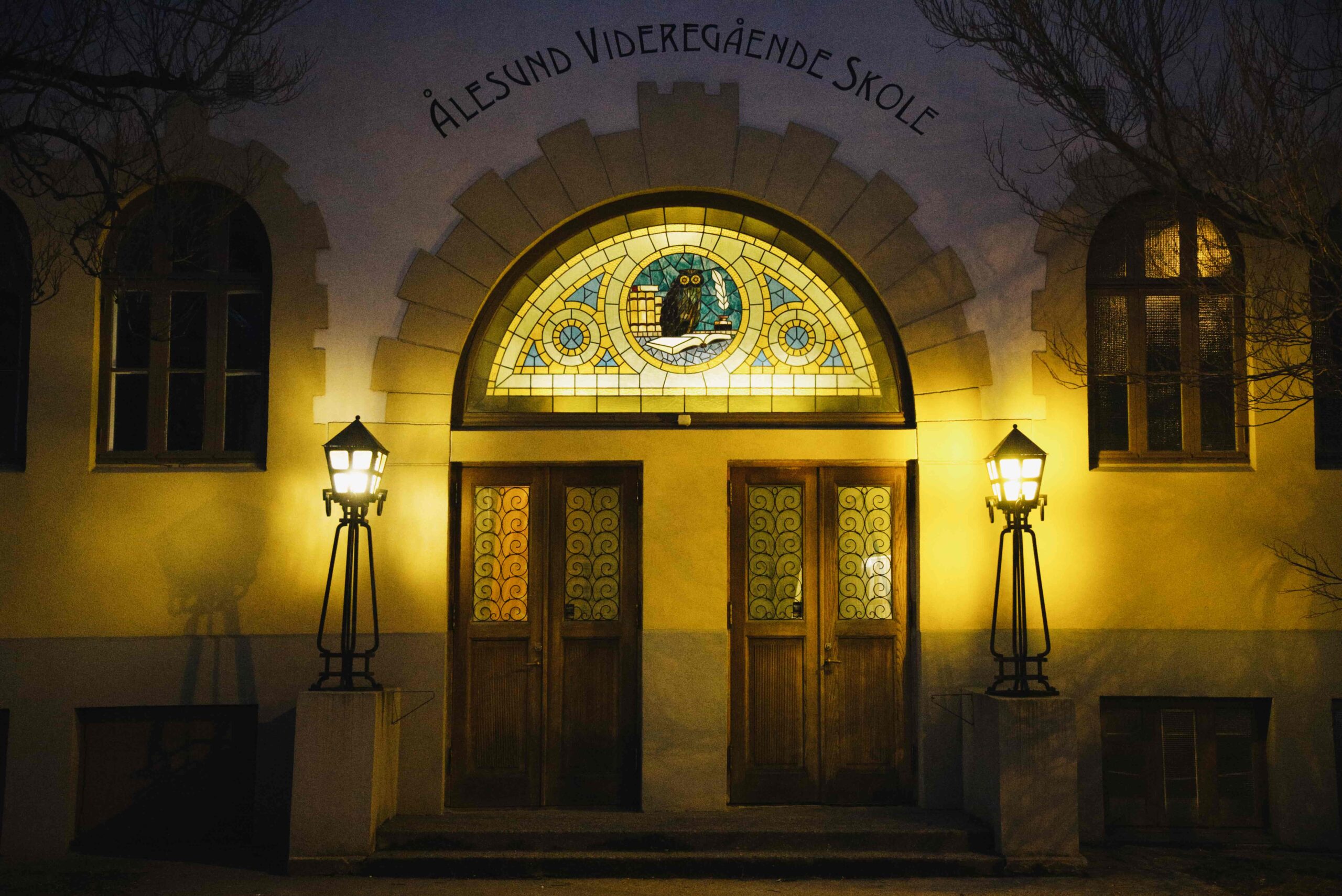
Art Nouveau in Ålesund is characterised by organic shapes, towers, curved lines and rich details such as flowers, dragon heads and symbols from nature. This style, inspired by European Art Nouveau, was chosen after the city fire when the entire city centre had to be rebuilt. The architects drew inspiration from both national romanticism and European trends, and the result was a unique city profile.
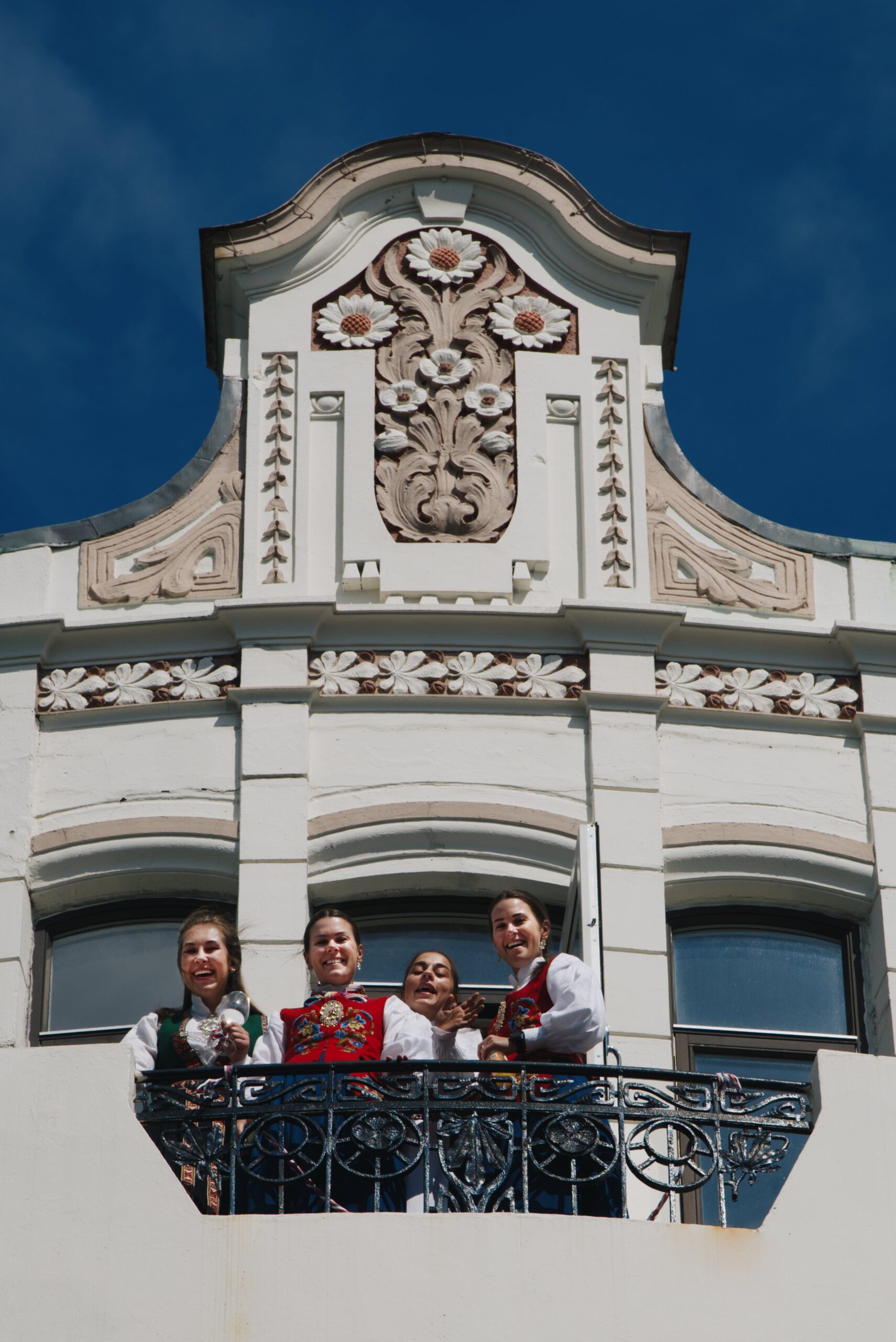
For photographers, this means a rare opportunity to work with architectural details that tell a story. Stone and stucco facades provide exciting contrasts in different light – try photographing in the morning and afternoon to capture shadows and textures. Feel free to use a fixed lens for sharpness, and focus on ornate entrances, wrought iron balconies and arched windows.
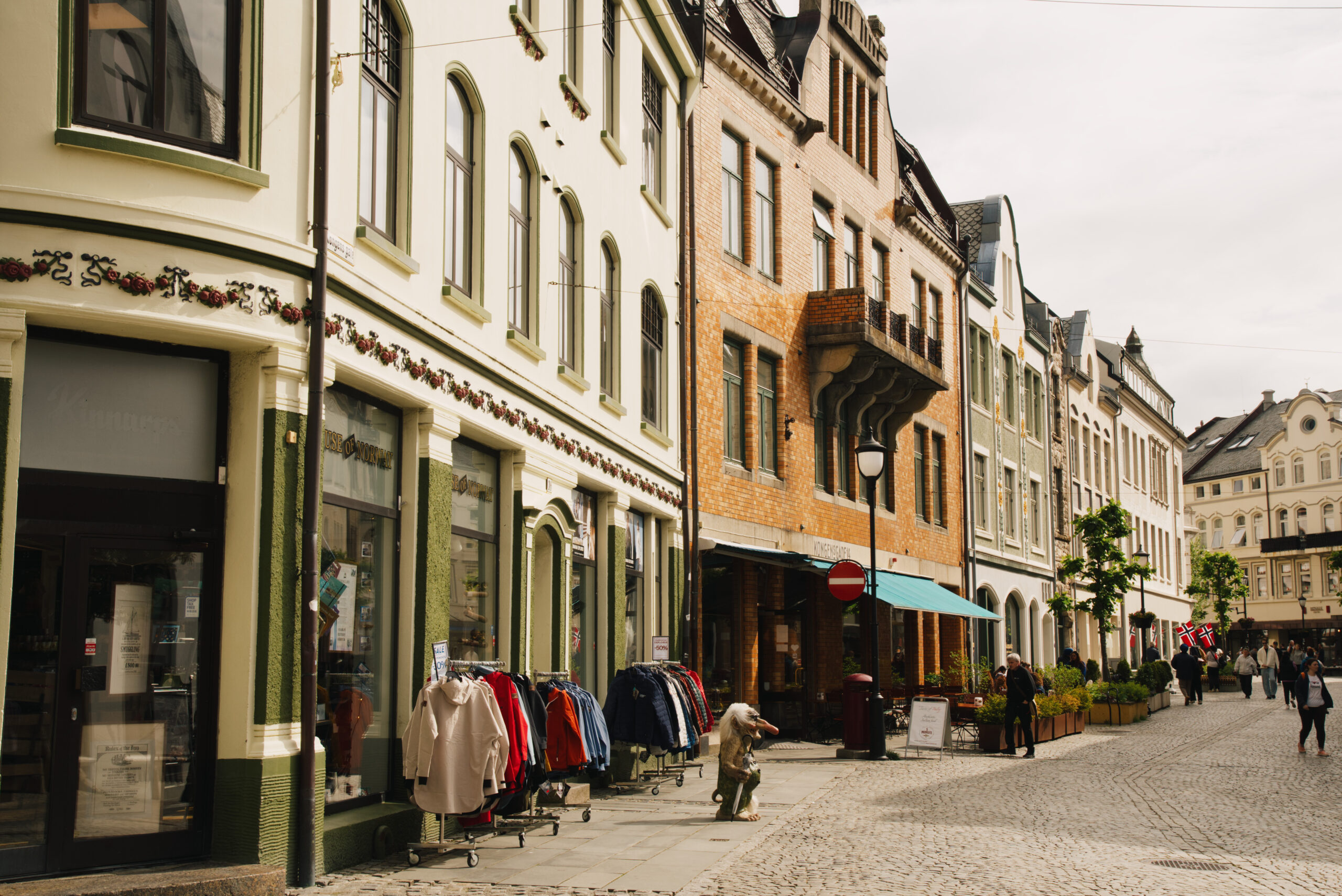
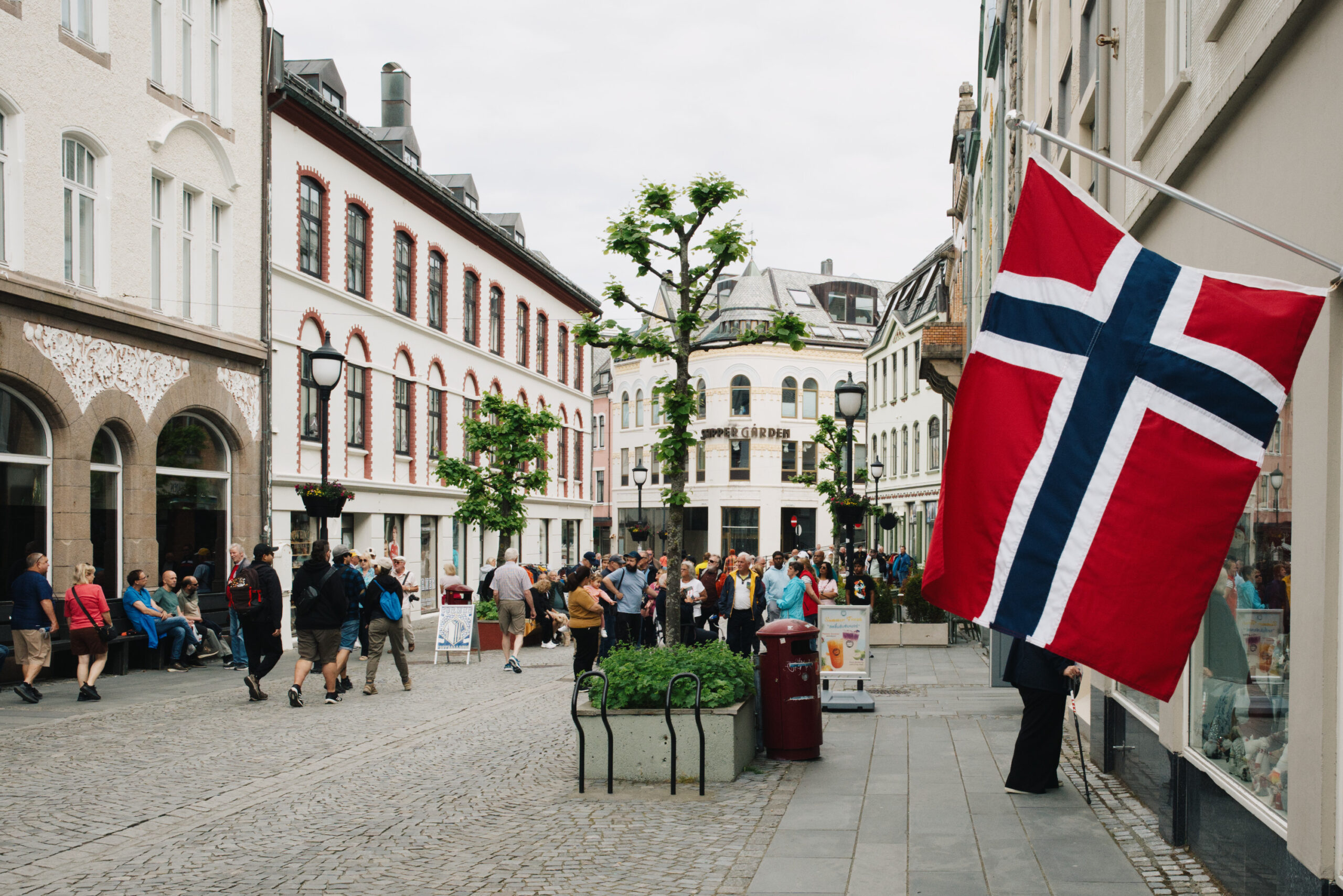
Walk along Apotekergata, Kirkegata, Løvenvoldgata and Kongens gate, where you will find many of the most iconic buildings. Alternate between overview shots and close-up details to build a comprehensive series of images with depth and variety.
The history behind Ålesund’s Art Nouveau style – and how to use it in photography
To understand Ålesund’s Art Nouveau style, one must be familiar with the city’s dramatic history. On 23 January 1904, almost the entire city centre burned down. Within a few years, the city was rebuilt with new architecture, a new structure and new confidence. The architects were young, many of them trained in Germany, and they were given free rein to design a modern city.
As a photographer, this background provides you with a framework: you can work with contrasts between old and new, lines that guide the eye through historic neighbourhoods, and the people who use the city today. Take your camera to the Art Nouveau Centre – both as a subject and a source of inspiration – and use what you learn there to create images that convey more than just aesthetics.
 Recommended links
 Recommended links
Ålesund Walking Tour – explore the city on foot with local insight
Overview of a guided walking tour designed for cruise visitors who want to experience Ålesund at a relaxed pace.Art Nouveau on Wikipedia
Overview of the history and characteristics of the style.Art Nouveau Museum in Ålesund
Official website with information about exhibitions and visits.Visit Norway – Art Nouveau
Tourist information and tips for experiences in Art Nouveau Ålesund.